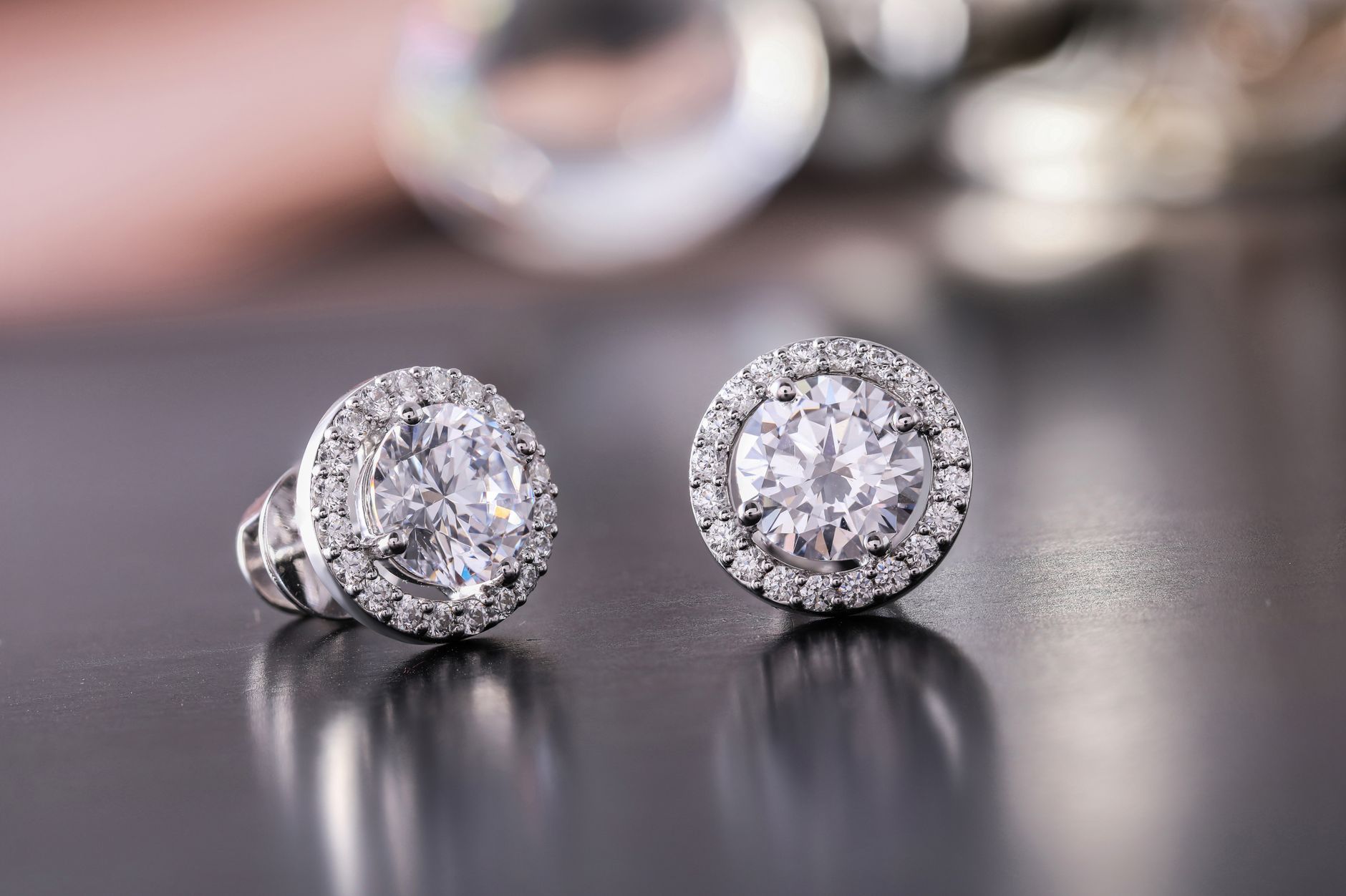
Sterling silver 925 is the most common silver alloy in jewelry: it refers to a metal made of 92.5% pure silver, the rest being made up of other metals to make it more resistant. Earrings, rings, necklaces or bracelets sold as silver jewelry are, in the vast majority of cases, made in this exact grade. Understanding its composition, the hallmarks that authenticate it and the right care gestures makes it possible to buy and keep jewelry with full knowledge of the facts.
What is sterling silver 925?
Sterling silver 925 is an alloy made of 92.5% pure silver and 7.5% of other metals, most often copper. The number “925” refers to this grade, expressed in thousandths: out of 1,000 parts of the metal, 925 are genuine silver. For designs that stand out, here is where to buy original silver earrings .
100% pure silver is in fact too soft to withstand daily use. A piece made only of fine silver would deform and scratch very quickly. Adding copper or another metal strengthens the alloy’s crystal structure, making it solid enough to be worked, set with stones and worn without deforming, while keeping silver’s characteristic shine.
This grade is not specific to one country or brand: it is an international jewelry standard, used for fine earrings as much as for table silverware.
The term sterling silver refers to exactly the same alloy as silver 925: both terms are interchangeable, the English one simply being the common usage in English-speaking countries and on product sheets translated from English. The word “sterling” traces back to medieval England, where this silver grade was already used to mint coins before becoming the reference for silverware and jewelry. On a product sheet or a label, “silver 925,” “sterling silver” and “925 silver” therefore all refer to the same metal composition.
Sterling silver 925 versus pure silver: what is the difference?
Confusion between “silver” and “sterling silver 925” is common, even though the two terms do not describe the same material.
Pure silver, also called fine silver or grade 999, contains 99.9% silver and almost no other metal. It is very malleable, which makes it useful for certain craft techniques, but too soft for most everyday jewelry: it scratches and deforms at the slightest impact.
Sterling silver 925 remains the preferred compromise for jewelers: rich enough in silver to keep its shine and value, but reinforced enough with added copper to withstand handling, stone setting and daily wear. This is the grade used in the overwhelming majority of silver earrings, rings and chains sold in France.
Between the two also exists silver 950, at 95% pure silver, rarer in everyday jewelry but used in some silverware pieces and high-end jewelry for its slightly whiter tone.
Sterling silver 925 hallmarks: how to recognize an authentic piece
In France, solid silver pieces must carry a liability mark. The guarantee hallmark, applied by a control body, attests to the metal’s true grade; it is mandatory from 30 g, and silver pieces under 30 g (most earrings, rings and fine chains) are exempt from it. For sterling silver 925, this official hallmark takes the shape of a Minerva head, numbered “1” for this grade.
The maker’s mark or liability mark identifies the manufacturer or importer that placed the piece on the French market; it is added to the guarantee hallmark when the latter is applied. Some pieces also carry, as a non-mandatory addition, an engraved “925” mention, easier to read with the naked eye than the official marks but one that does not legally replace them.
These markings are usually found on a discreet part of the piece: the inside of a ring, a necklace clasp or an earring post. The absence of any marking on a piece sold as “solid silver” should prompt you to ask questions, especially on resale platforms between individuals where the metal’s origin is not always verifiable.
For a silver piece under 30 g, the guarantee hallmark is not mandatory: the engraved “925” mention, together with the maker’s liability mark, remains the usual marker. When in doubt about an old or second-hand piece, a jeweler equipped with a testing tool can verify the alloy’s true grade.
Other silver grades: 999, 950, 800, plated and silver filled
Sterling silver 925 is only one of the existing grades. The table below places the main terms found in jewelry, from the purest to the most affordable.
| Term | Pure silver content | Characteristics | Common use |
|---|---|---|---|
| Fine silver (999) | 99.9% | Very malleable, scratches and deforms easily | Bullion, coins, rarely jewelry |
| Silver 950 | 95% | Good purity/strength balance, very white tone | High-end silverware and jewelry |
| Sterling silver 925 | 92.5% | The most common, balances strength and workability | Earrings, rings, necklaces |
| Silver 800 | 80% | Harder, slightly greyer tone | Antique silverware, regional jewelry |
| Silver plated | Thin silver layer on a base metal | The layer wears off progressively over time | Entry-level fashion jewelry |
Silver filled differs from silver plating through the thickness of its silver layer, which is mechanically bonded to the base metal rather than simply deposited on the surface. This greater thickness gives it better durability than classic plating, without matching the resistance of a solid sterling silver 925 piece.
The difference between these grades directly affects a piece’s lifespan and residual value. A solid sterling silver 925 piece keeps its precious metal throughout its thickness: it can be polished, repaired or melted down without losing its nature as silver. A plated piece, on the other hand, loses its silver layer over time and with wear, and the base metal then shows through the surface, usually with a yellowish or greyish tone depending on the alloy underneath. For a purchase meant to last, the 925 grade therefore remains the most reliable marker, provided its presence is checked on the label or hallmark of the piece.
Caring for sterling silver 925 and avoiding oxidation
Sterling silver 925 does not rust: rust is a phenomenon specific to iron and its alloys. It can, however, oxidize, a different chemical process that shows as slight surface darkening on contact with sulfur present in the air, humidity, pool chlorine or certain cosmetic products and perfumes.
This oxidation stays superficial and does not affect the metal’s structure. It is easily removed with a soft cloth made for silver, or a suitable cleaning solution, while avoiding abrasive products that would scratch the surface. To limit the effect between cleanings, it is recommended to:
- Remove silver jewelry before showering, swimming or going to the beach.
- Put it on last, after perfume and cosmetics, to limit direct contact.
- Store it in a closed container or pouch, away from air and humidity.
- Wipe it with a soft cloth after each wear, to remove moisture and skin residue.
For a deeper clean, a microfiber cloth lightly dampened with a mild solution is usually enough, followed by immediate, thorough drying. Abrasive products such as toothpaste or baking soda rubbed directly on the metal should be avoided: they scratch the surface, even when they appear to work on visible darkening. On a piece set with fragile stones, a visit to a jeweler remains preferable to cleaning at home, so as not to weaken the setting. The jewelry care guide covers these gestures for every metal worn daily, silver included.
Sterling silver 925 in earrings and everyday jewelry
Sterling silver 925 is one of the most common grades for earrings , especially for fine pieces worn continuously: studs, hoops or dangling earrings. Its copper content is still worth considering for the most sensitive skin, since this added metal can, in rare cases, contain traces of nickel depending on the alloy’s exact composition; hypoallergenic earrings in titanium or certified nickel-free silver remain an alternative for those concerned.
To build a coherent collection, sterling silver 925 pairs naturally with other pieces of the same grade, as offered by several silver earring brands or shops selling silver hoop earrings .
Sterling silver 925 works equally well worn alone, in fine pieces layered on the same ear, or combined with other metals in the same composition. Its neutral white tone pairs with most clothing colors and other jewelry worn at the same time, making it a versatile base for building an earring wardrobe that lasts across seasons without going out of style.
Nébuleuse Bijoux, which publishes this magazine, notably offers sterling silver 925 earrings in its catalog.
Frequently asked questions
Is sterling silver 925 good quality?
Sterling silver 925 is the most widely used silver grade in jewelry, with 92.5% pure silver. It offers a good balance of shine, strength and workability, which explains why it is used in almost every silver jewelry piece sold in France. An authentic sterling silver 925 piece, properly cared for, lasts for years without losing its appearance.
What is the value of sterling silver 925 per gram?
The price of a sterling silver 925 piece mainly depends on the weight of metal, the craftsmanship and the brand, not only on the price of silver per gram. The price of pure silver changes daily on commodity markets, and the 925 grade only accounts for 92.5% of that weight in precious metal. For a reliable valuation of a given piece, it should be weighed and assessed by a professional.
What is the difference between silver and sterling silver 925?
Pure silver, also called fine silver, is 99.9% metal and is too soft for most jewelry. Sterling silver 925 adds 7.5% of other metals, mainly copper, to make it more resistant to impact and deformation while keeping its shine. This alloy, not pure silver, makes up the vast majority of silver earrings, rings and necklaces.
Does sterling silver 925 oxidize or rust?
Sterling silver 925 does not rust, since rust only affects iron, but it can oxidize and slightly darken on contact with air, humidity, chlorine or certain cosmetic products. This oxidation stays superficial and is removed with proper cleaning, without damaging the metal. Storing it away from air and humidity limits this effect.